Detached ADU Construction
Freestanding units placed to respect setbacks, septic fields, fuel modification zones and slopes, built with ignition-resistant materials suited to Malibu's fire setting.
Learn More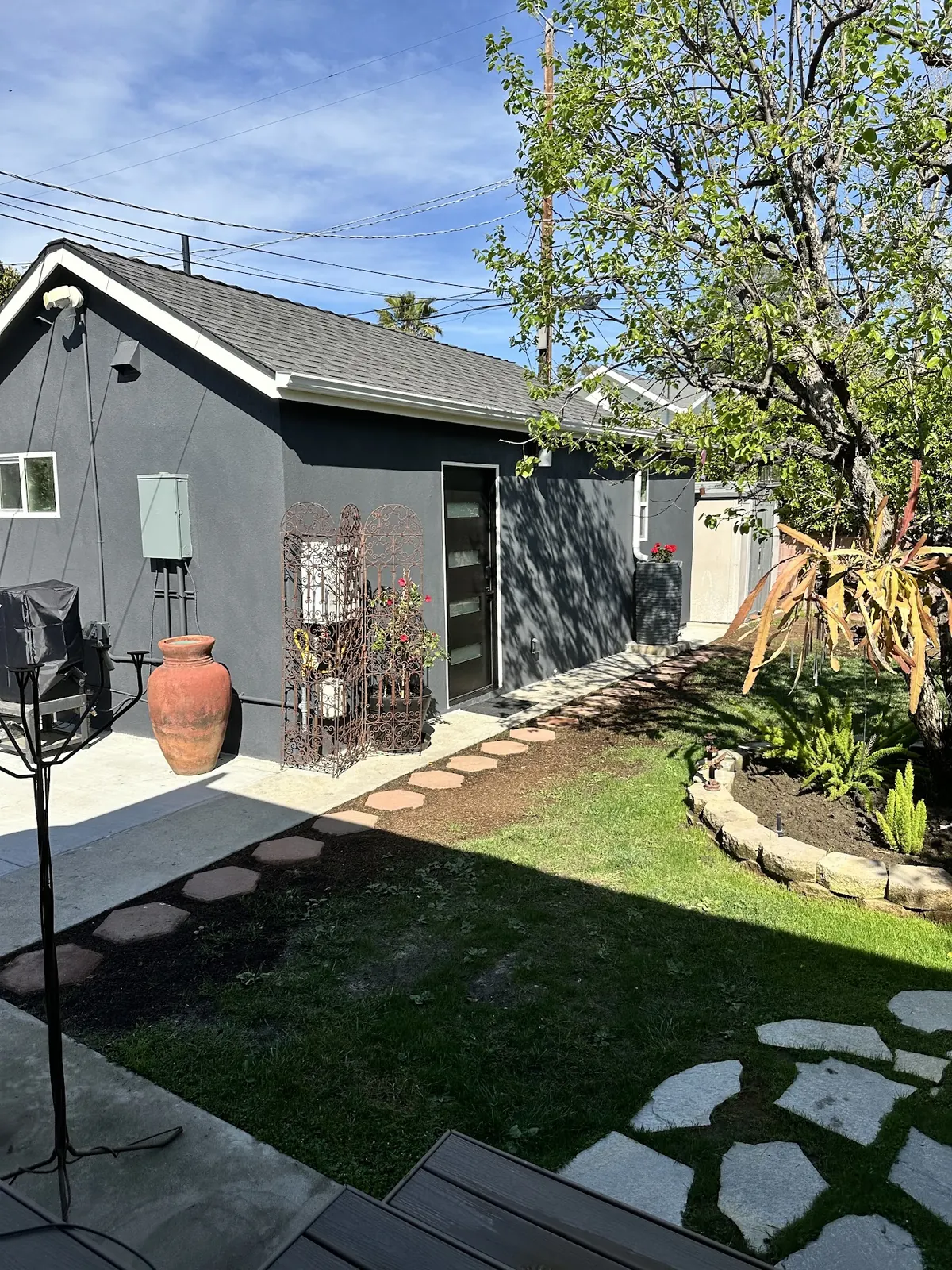
Malibu accessory dwelling units
Malibu ADU Builder Pros plans, permits and builds accessory dwelling units on beachfront, bluff, canyon and hillside lots, and we treat the Coastal Zone, septic and wildfire questions as design inputs from the first visit.
California ADU law (Government Code 66310-66342). Coastal, hillside and fire-zone lots can carry extra local rules.
ADU services
Each service below can stand alone or run as part of one design-build contract. Most Malibu owners hire us for the whole sequence, because the site work, septic and coastal review tend to decide what the unit can be. Pick the ADU type that fits your lot, or begin with plans and permitting while you weigh the options.
Freestanding units placed to respect setbacks, septic fields, fuel modification zones and slopes, built with ignition-resistant materials suited to Malibu's fire setting.
Learn MoreA unit joined to the main house with its own entry, often the simplest answer on narrow beach lots where a separate structure will not fit.
Learn More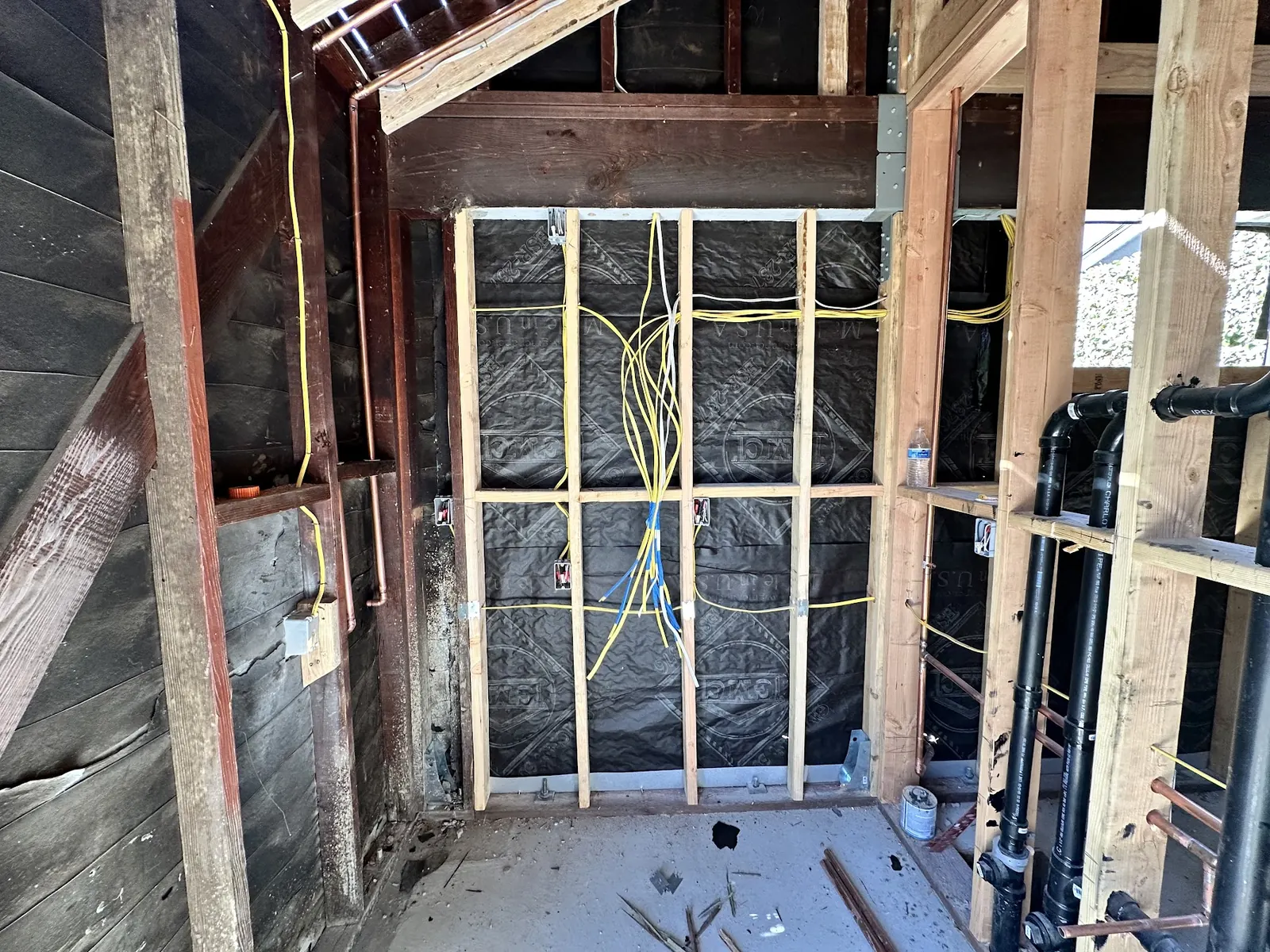
Turning an existing garage into a legal living unit, which avoids new footprint and keeps the project inside space that already exists on the lot.
Learn More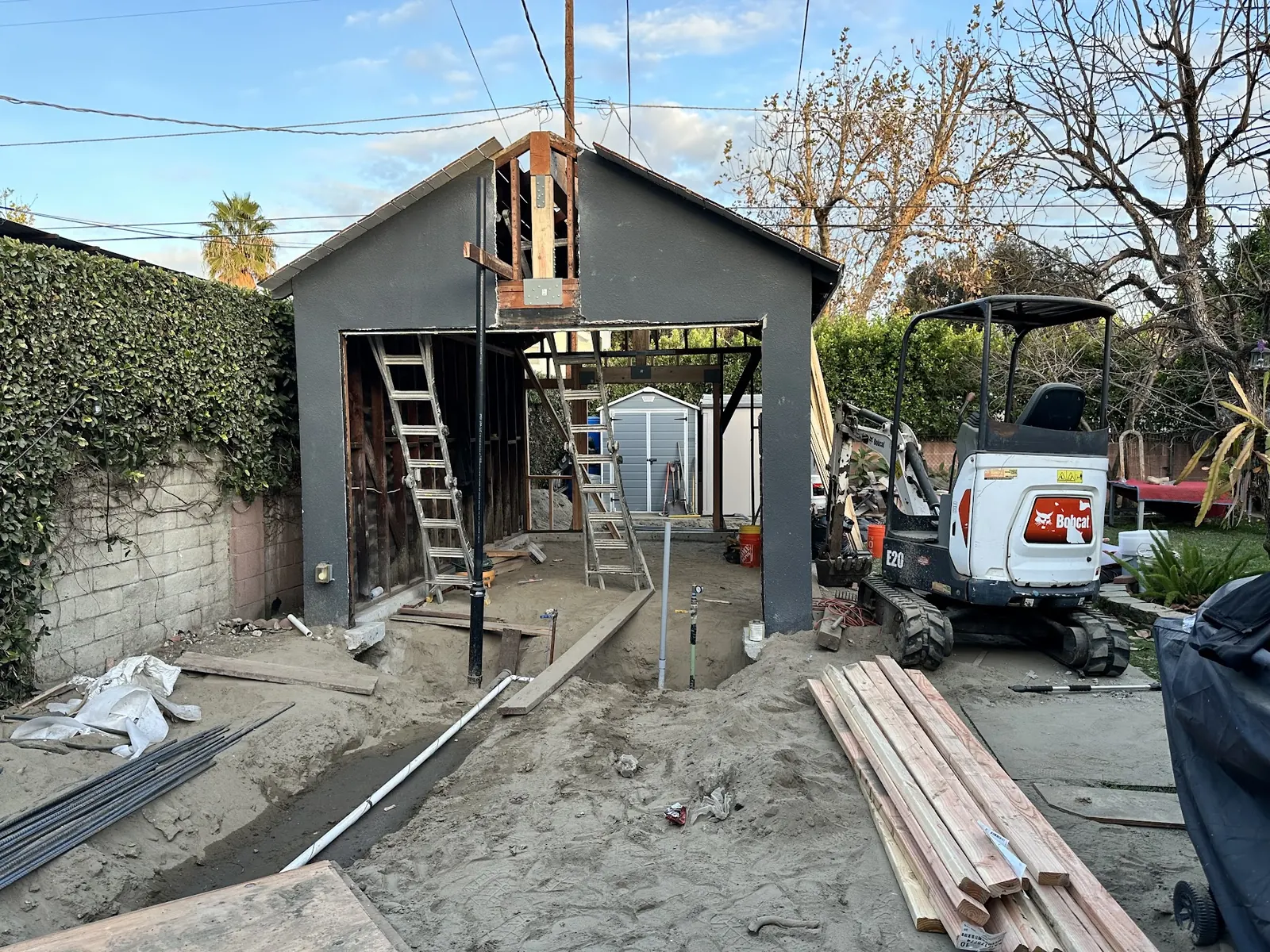
A compact unit of up to 500 sq ft created inside the main house, popular in larger Malibu homes with an unused wing or bedroom suite.
Learn More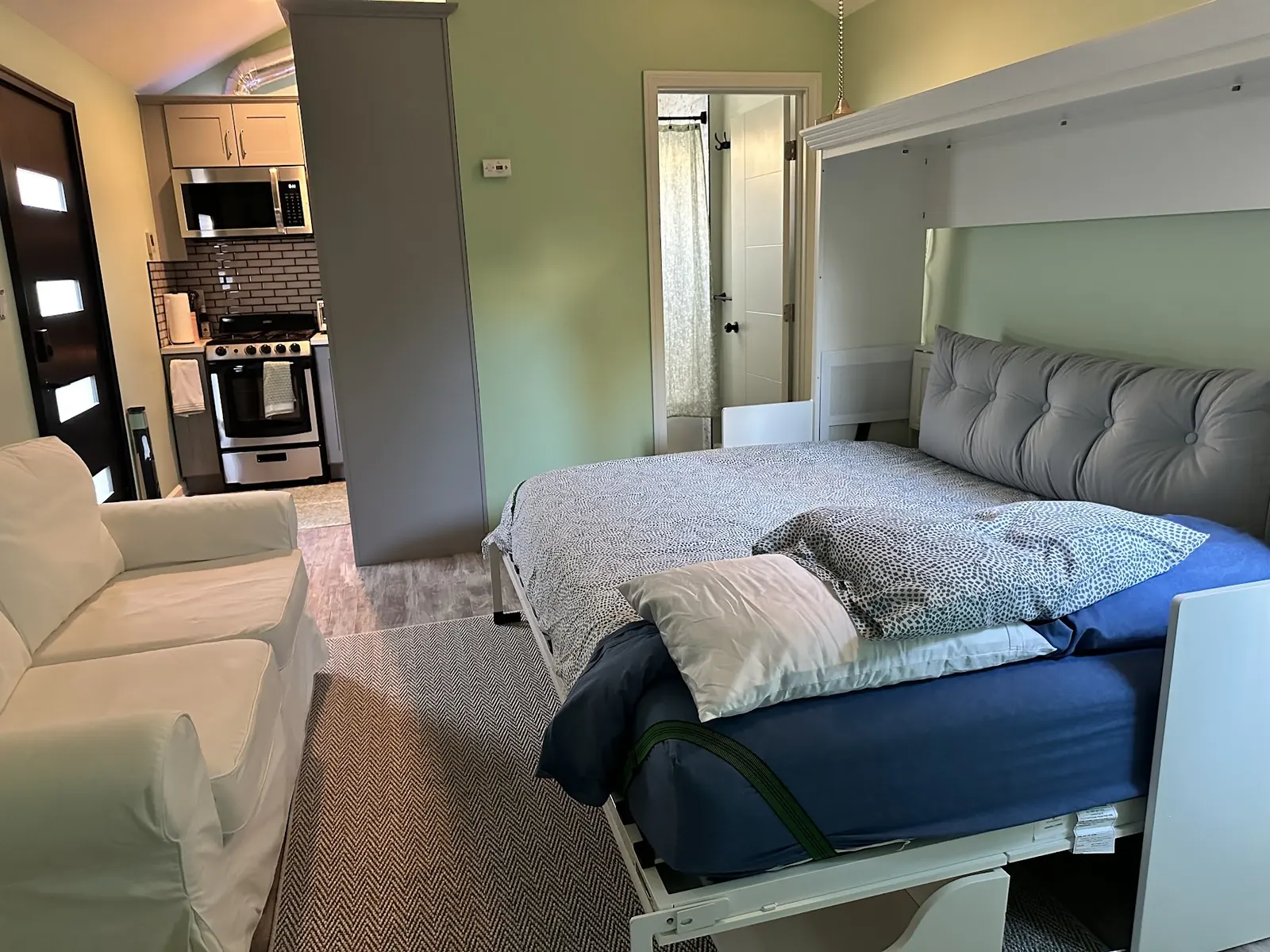
Second-story units built over a garage where the yard is too steep or too small, designed with height and view protection in mind.
Learn More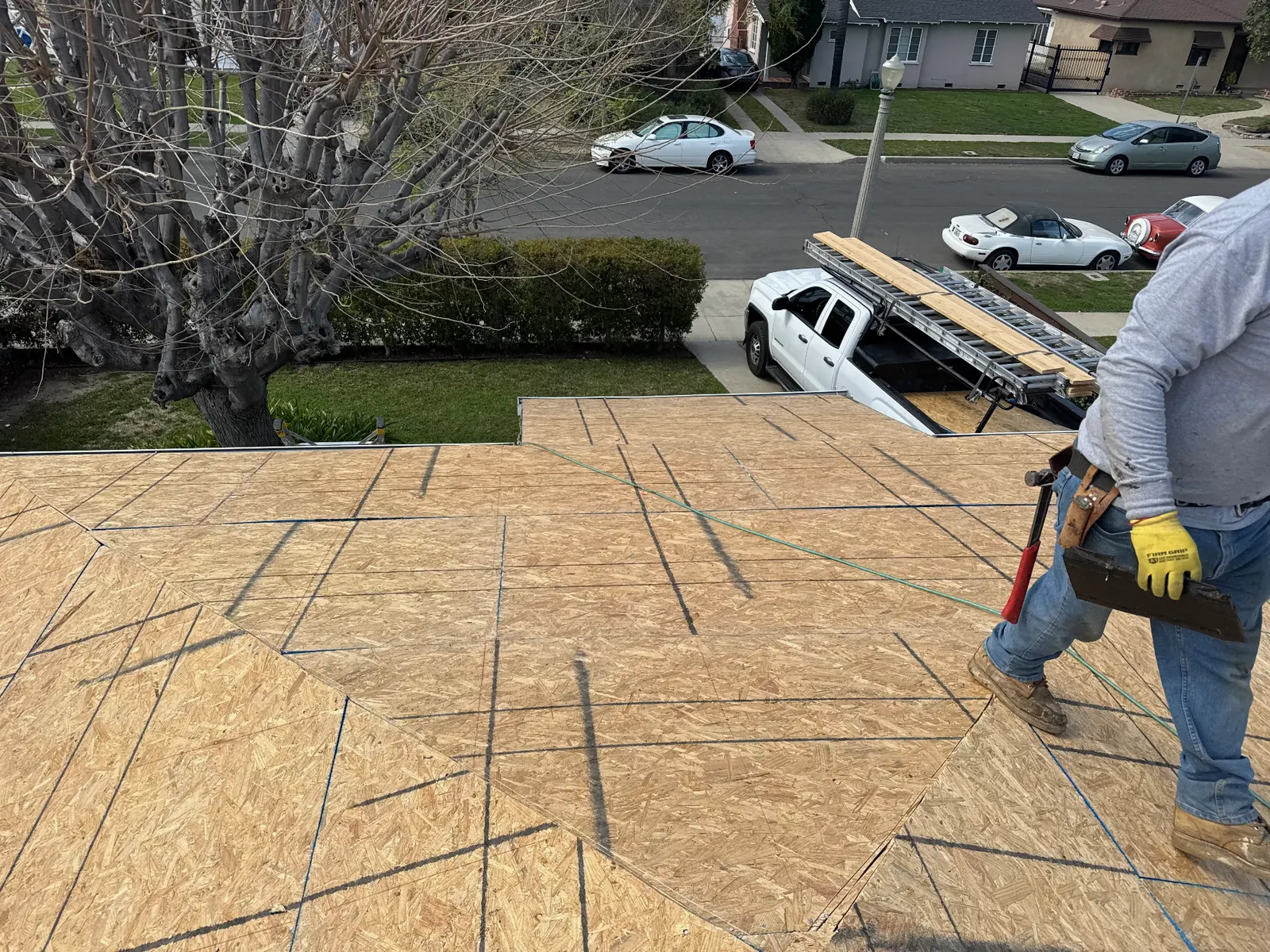
Factory-built units delivered and set on a site-built foundation, with crane and road access along Pacific Coast Highway planned in advance.
Learn More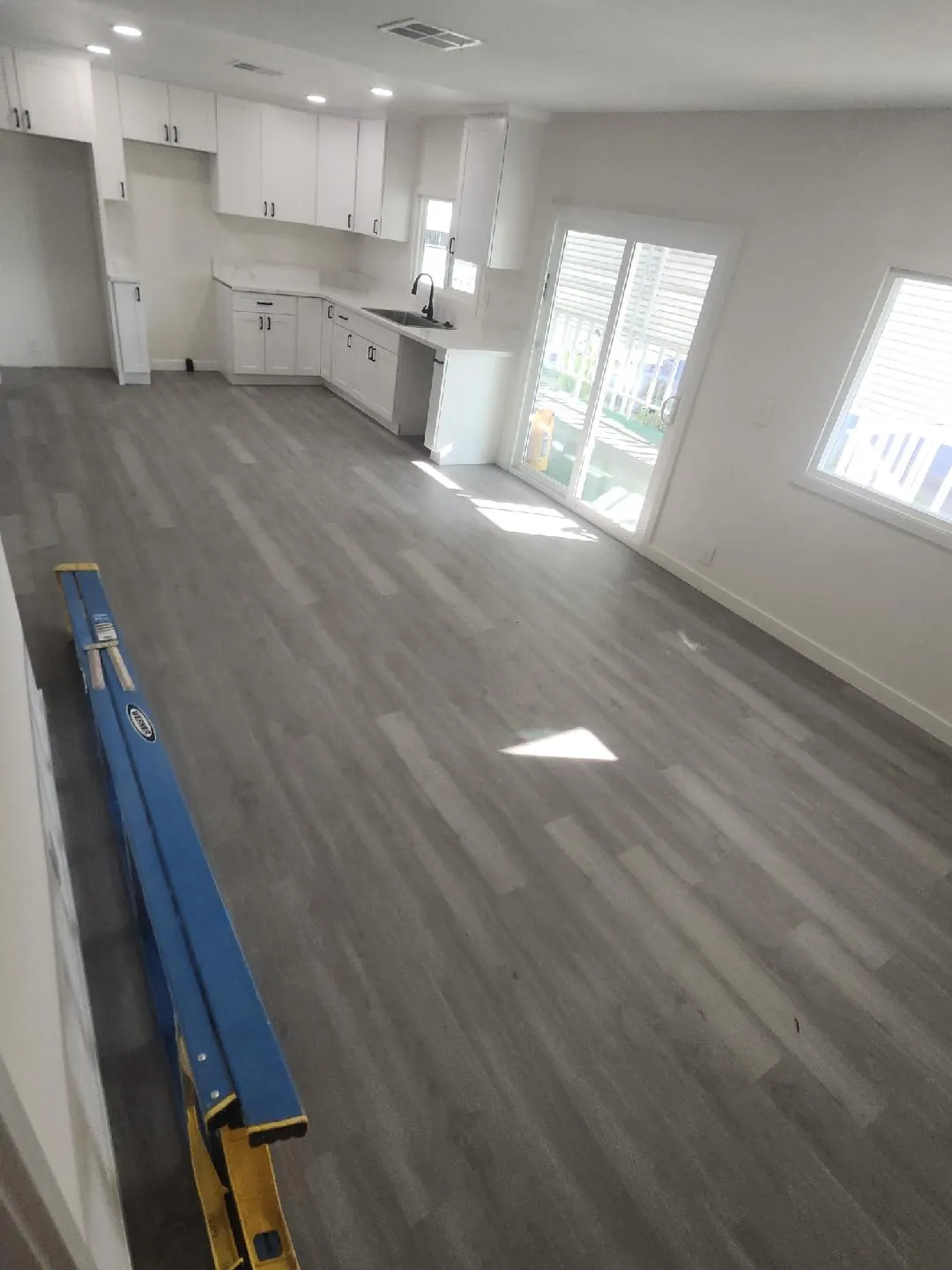
ADUs added to duplexes and small apartment properties under the state multifamily rules, including conversions of storage or garage space.
Learn More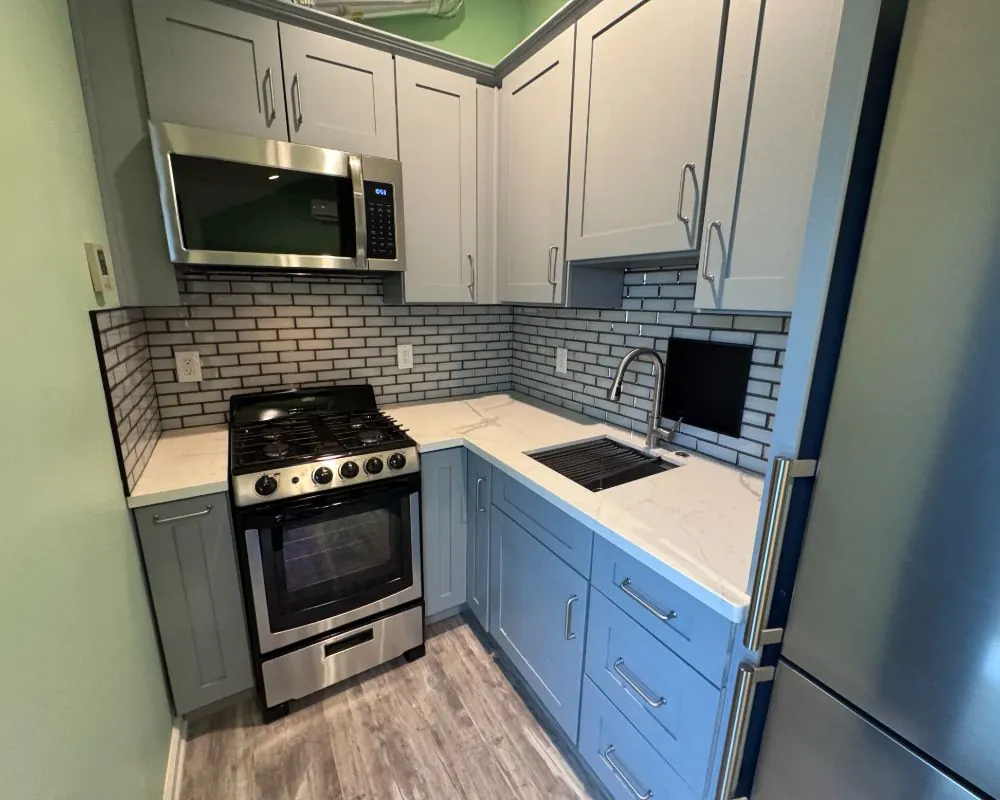
Plans drawn around your septic, slope, coastal and fire constraints so the design passes review without a round of costly redesign.
Learn More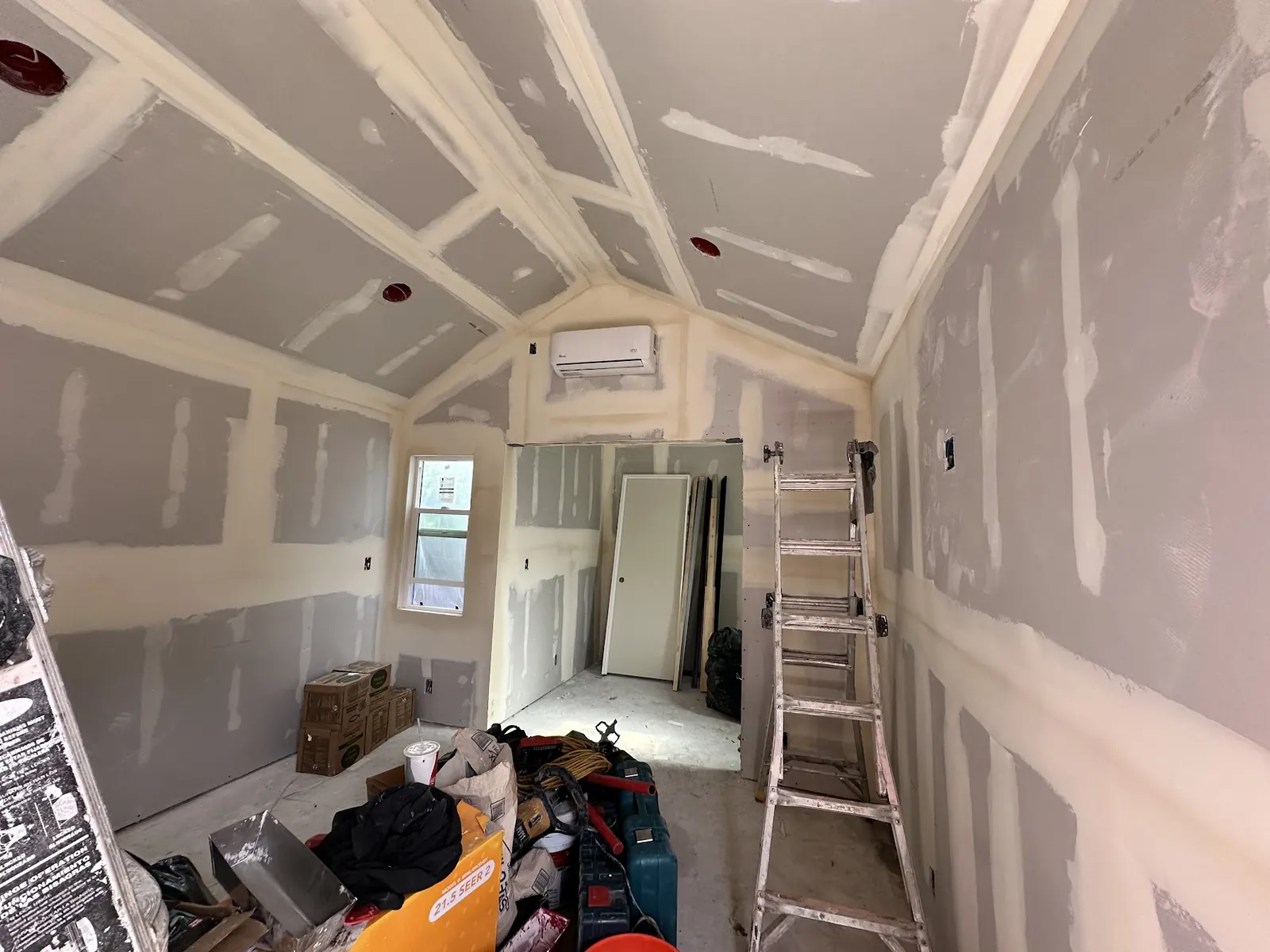
Preparing and following the City of Malibu or Los Angeles County application, including coastal, Environmental Health and fire department review.
Learn More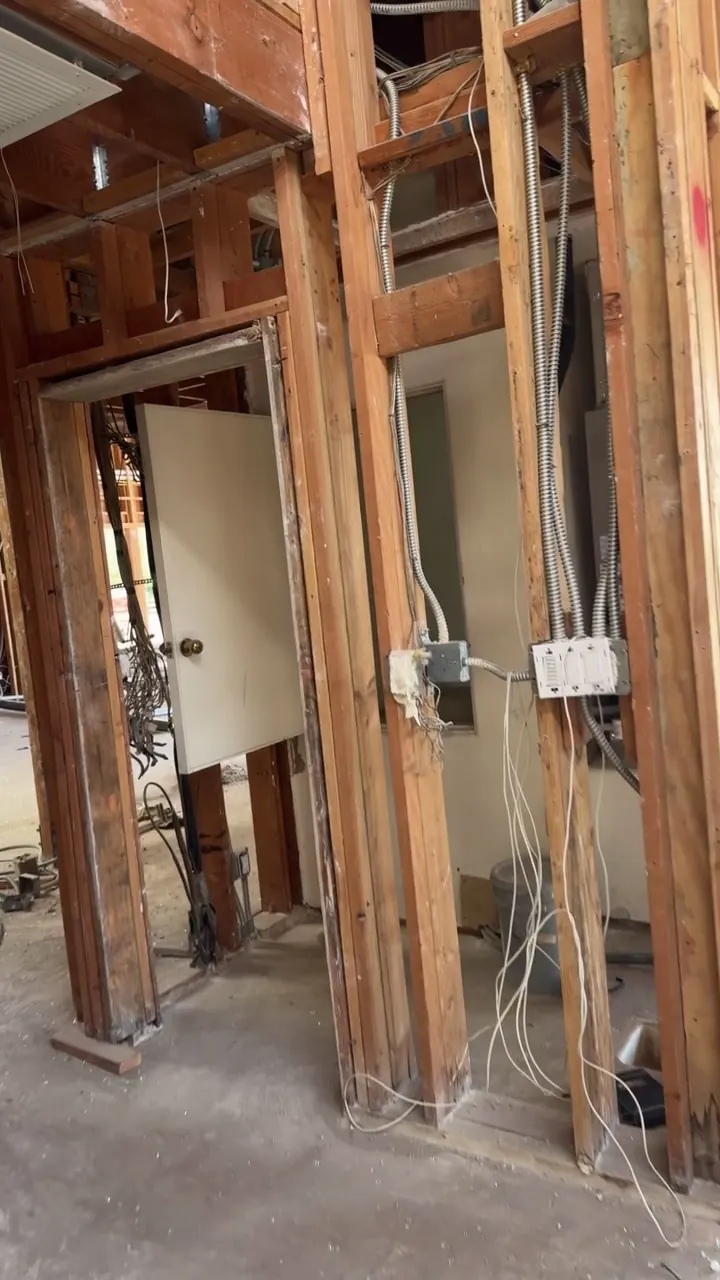
Foundations, grading, septic connections, water service from District 29, SCE electrical upgrades and fire sprinklers where they are required.
Learn More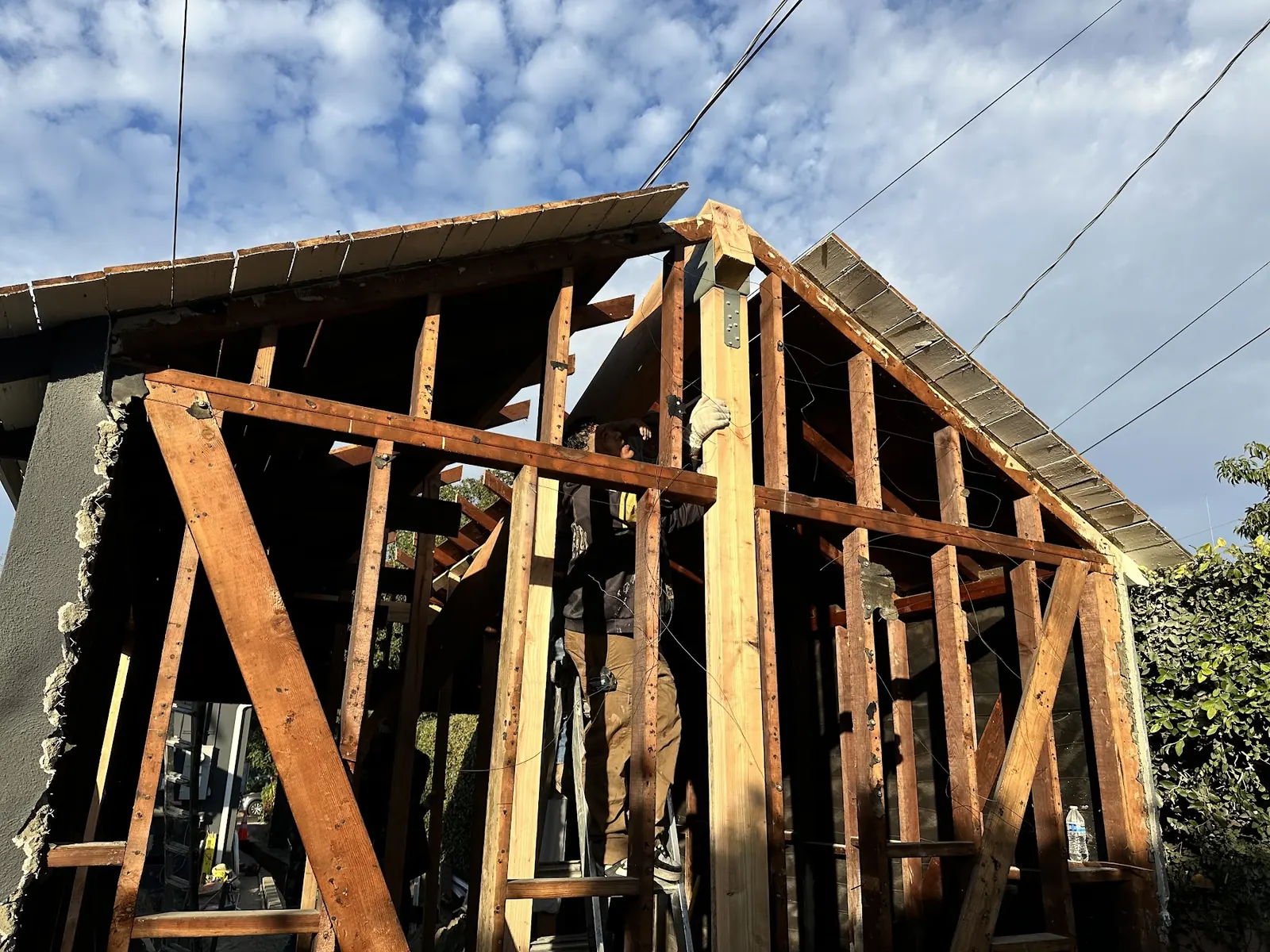
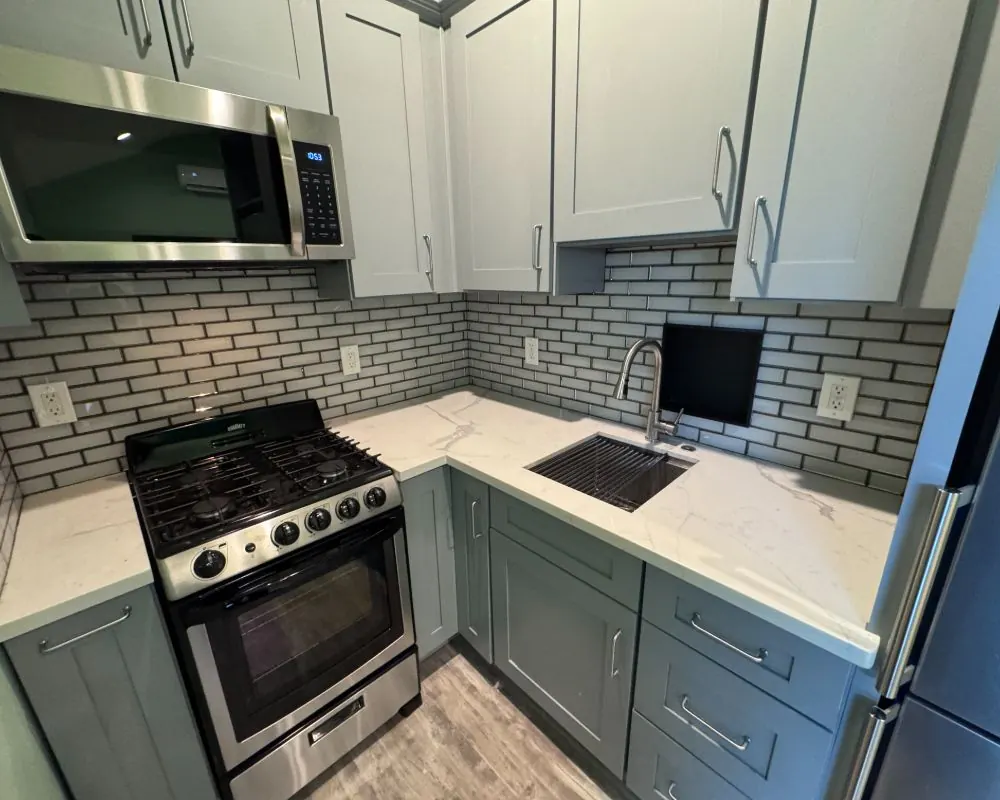
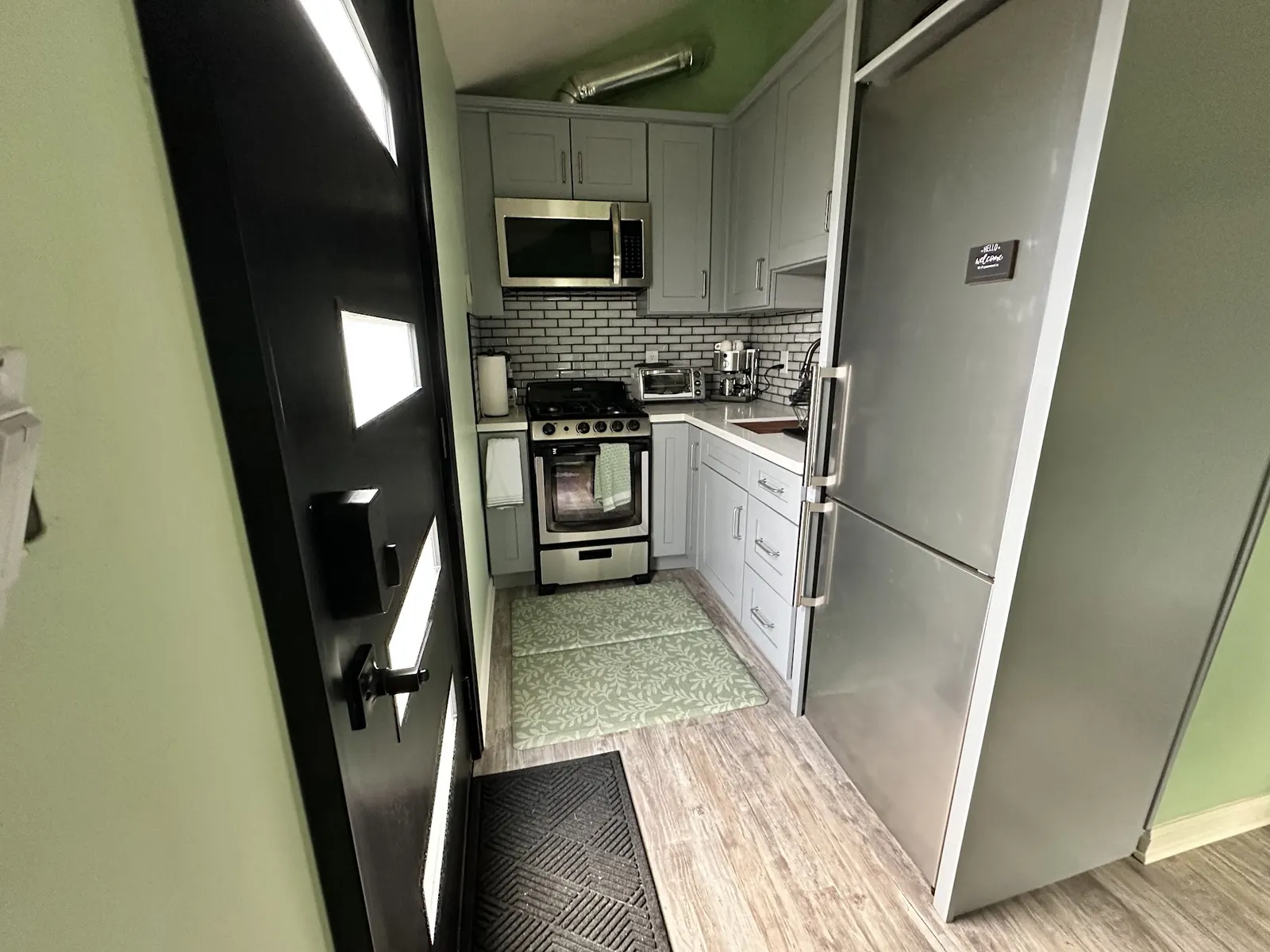
Small-footprint kitchens and full baths laid out for everyday living, with drain lines planned around the septic system and the unit's floor plan.
Learn More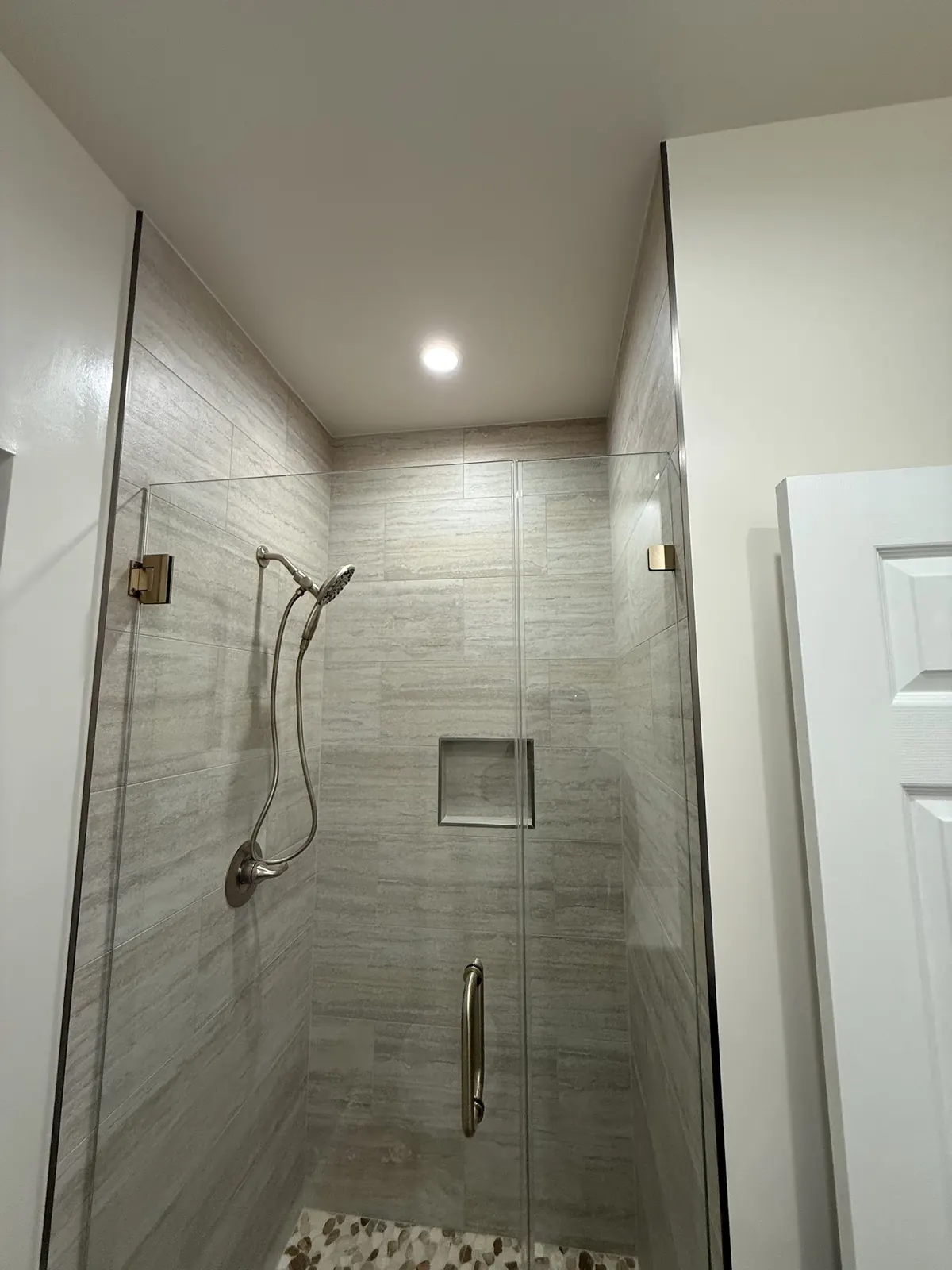
Tell us about the property and what you want the space for. We will reach out and talk through the options that fit your lot and local rules.
Request a ConsultationExplore All Services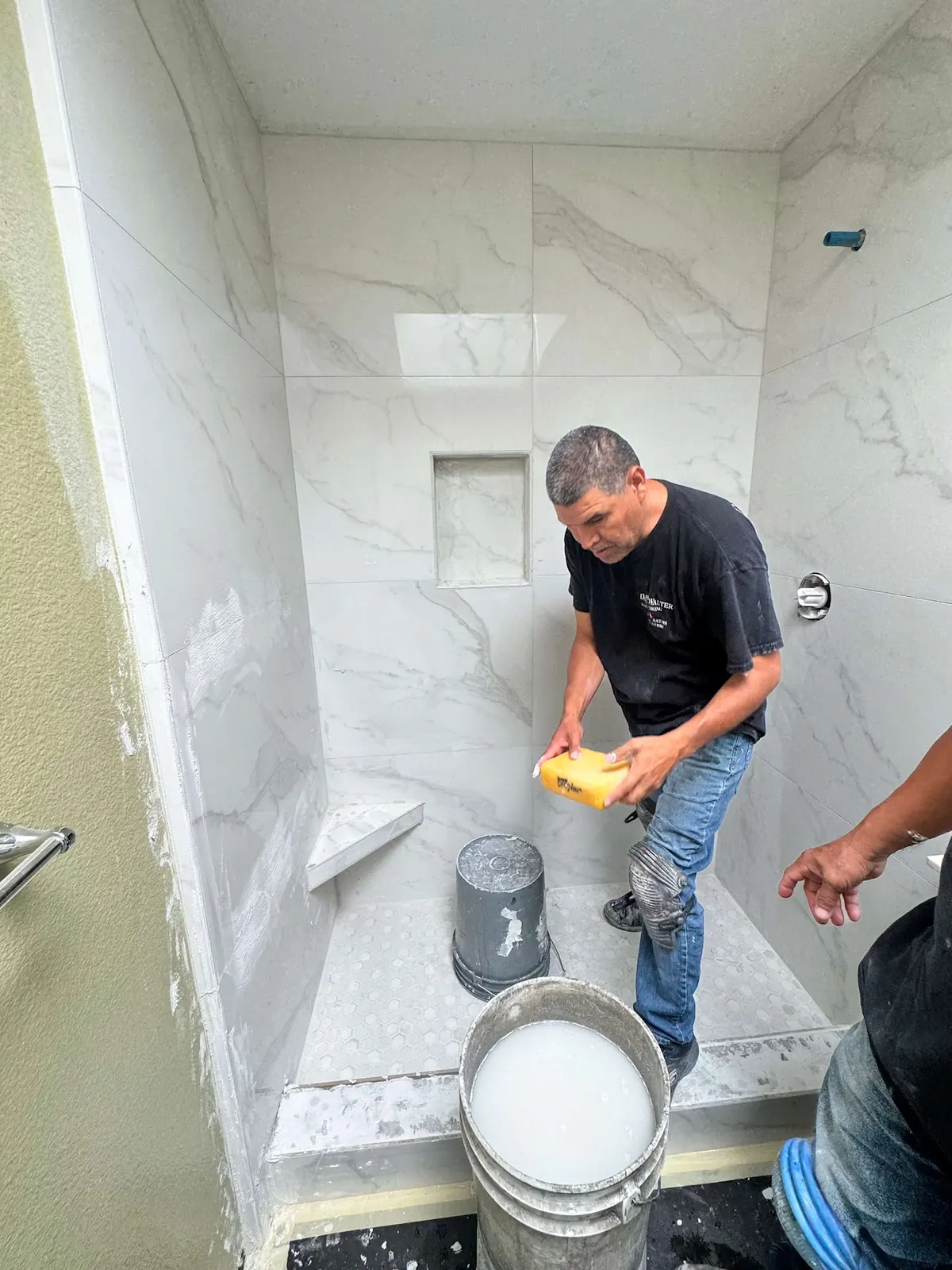
ADU builders in Malibu
Malibu ADU Builder Pros plans and builds second units across the city, from guest cottages on the flatter Point Dume parcels to junior ADUs fitted inside beach houses in the Colony. One team carries the work from site review and drawings through permits, construction and the final sign-off, so the person answering a geology or septic question is the same one who will later set the forms and frame the walls.
The work usually takes one of four shapes. A detached unit tucked behind the main house on a larger lot. A conversion of an existing garage, guest wing or pool house. A second story over a garage where the yard falls away too steeply for anything else. Or a compact unit planned into a lot that is being rebuilt after the Woolsey, Franklin or Palisades fires. In Malibu the permit path often decides the floor plan, so design starts with the rules rather than ending with them.
See How We Build ADUsADU project types
These are the ADU types that tend to fit the main lot situations in Malibu. They describe what usually works on each kind of parcel, not specific jobs. Your lot will have its own mix of slope, septic capacity, fire exposure and coastal constraints, and we sort that out in the first site review.
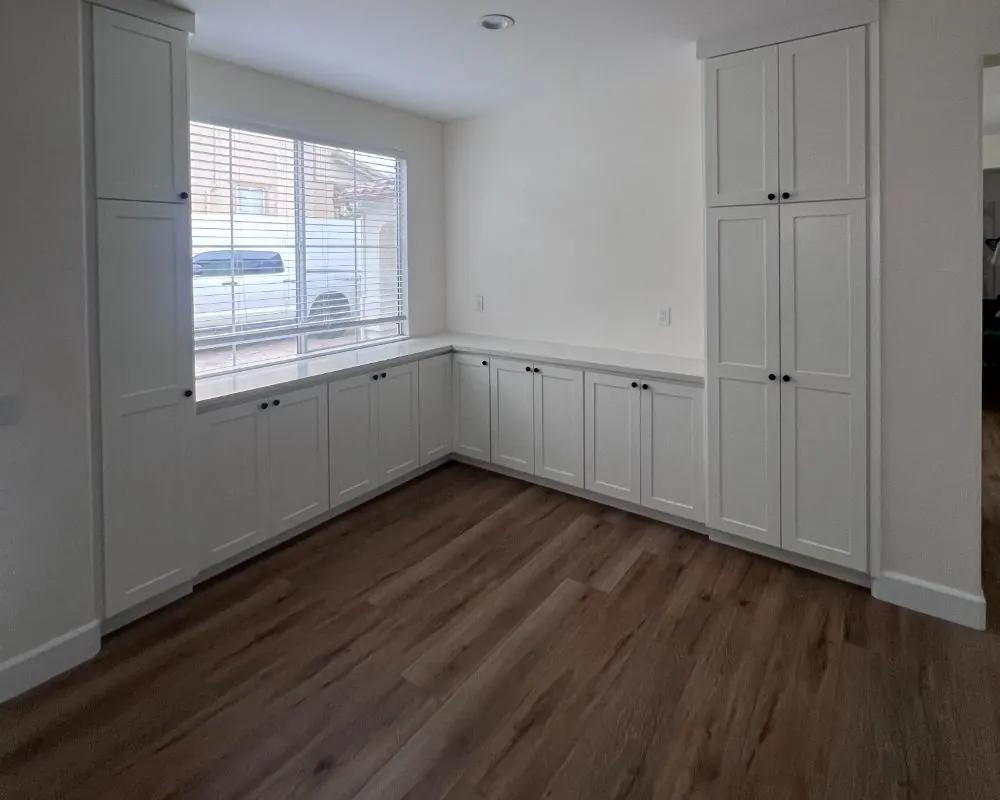
Point Dume has some of the flattest residential land in Malibu, and many lots there lost homes in the Woolsey Fire. A single-story detached ADU fits well on these parcels when it is planned with the main rebuild, sharing the septic design, utility trenches and fire access instead of being added years later.
What is involved:
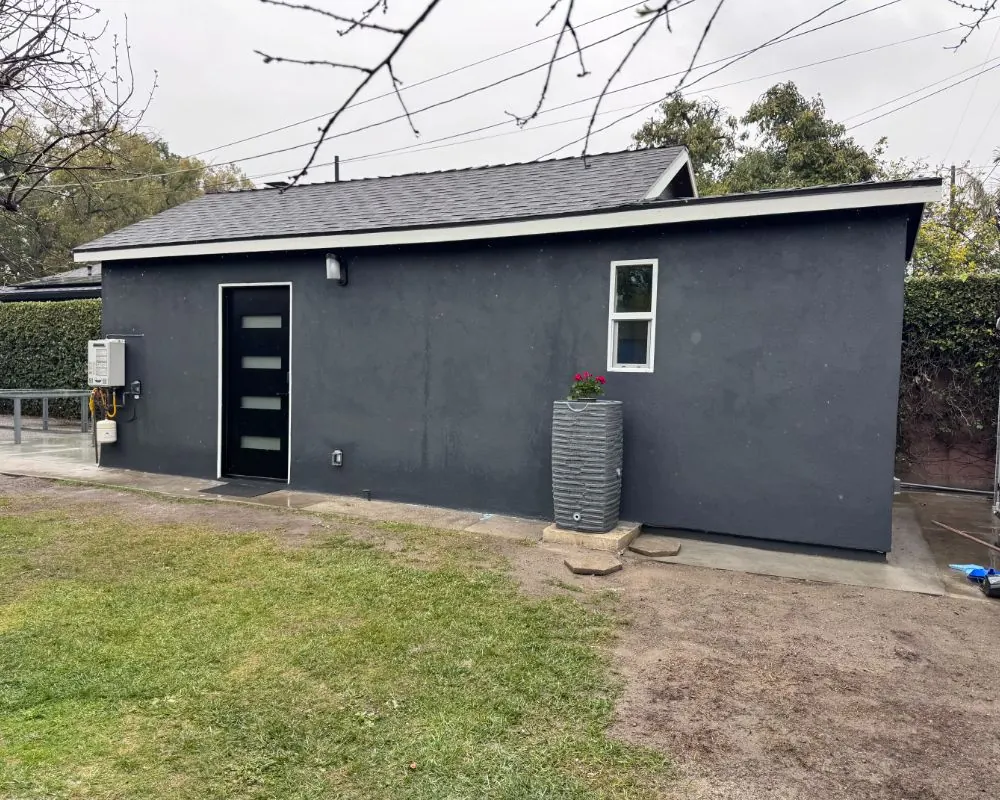
Colony lots are small and tightly built, so there is rarely room for a second structure. A junior ADU carved from an existing bedroom wing adds a separate living space with its own entrance and an efficiency kitchen, without new footprint on the sand side or changes to the beachfront setback.
What is involved:
Las Flores Canyon parcels often have only one level pad, usually where the garage sits. Building the ADU over the garage keeps grading low and avoids new retaining walls on the slope. The structure needs engineering for the added load and careful planning for drainage and fire access on a narrow road.
What is involved:
Topanga sits outside Malibu city limits, so the ADU goes through Los Angeles County. Canyon parcels there are often irregular, with long driveways and private septic. A detached unit placed on an existing level area near the house tends to keep grading, utility runs and fuel modification manageable.
What is involved:
Because the whole city lies in the Coastal Zone, Malibu analyzes every ADU application for Local Coastal Program and Coastal Act compliance before it reviews the unit under its ADU chapter. State ADU law still applies, including the 60-day decision clock on a complete application, but coastal issues such as habitat buffers, bluff setbacks and public access can shape where the unit goes.
How ADU permits work in MalibuThree phases, each with its own checkpoints. The order matters more in Malibu than inland, because septic and coastal findings made early can move the unit or change its size before anyone spends money on full construction drawings.
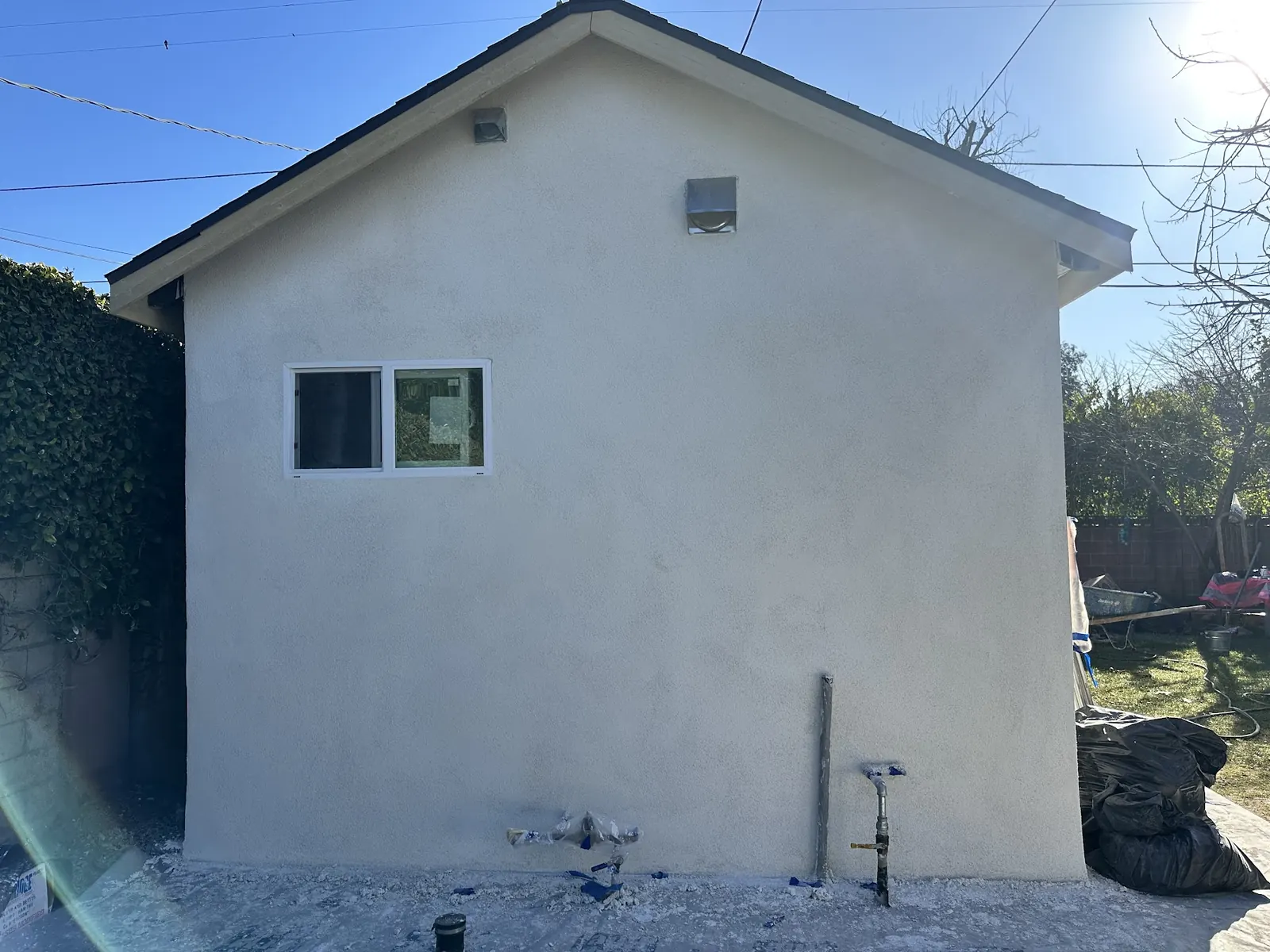
01
We walk the lot, pull records on the existing house and septic system, and line up the survey and any reports the site needs. Then we draw a layout that fits the setbacks, slope and fire access, and refine it with you.
02
We prepare the application for the City of Malibu or Los Angeles County, coordinate Environmental Health, geology and fire department reviews, and answer correction letters until the permit is issued.
03
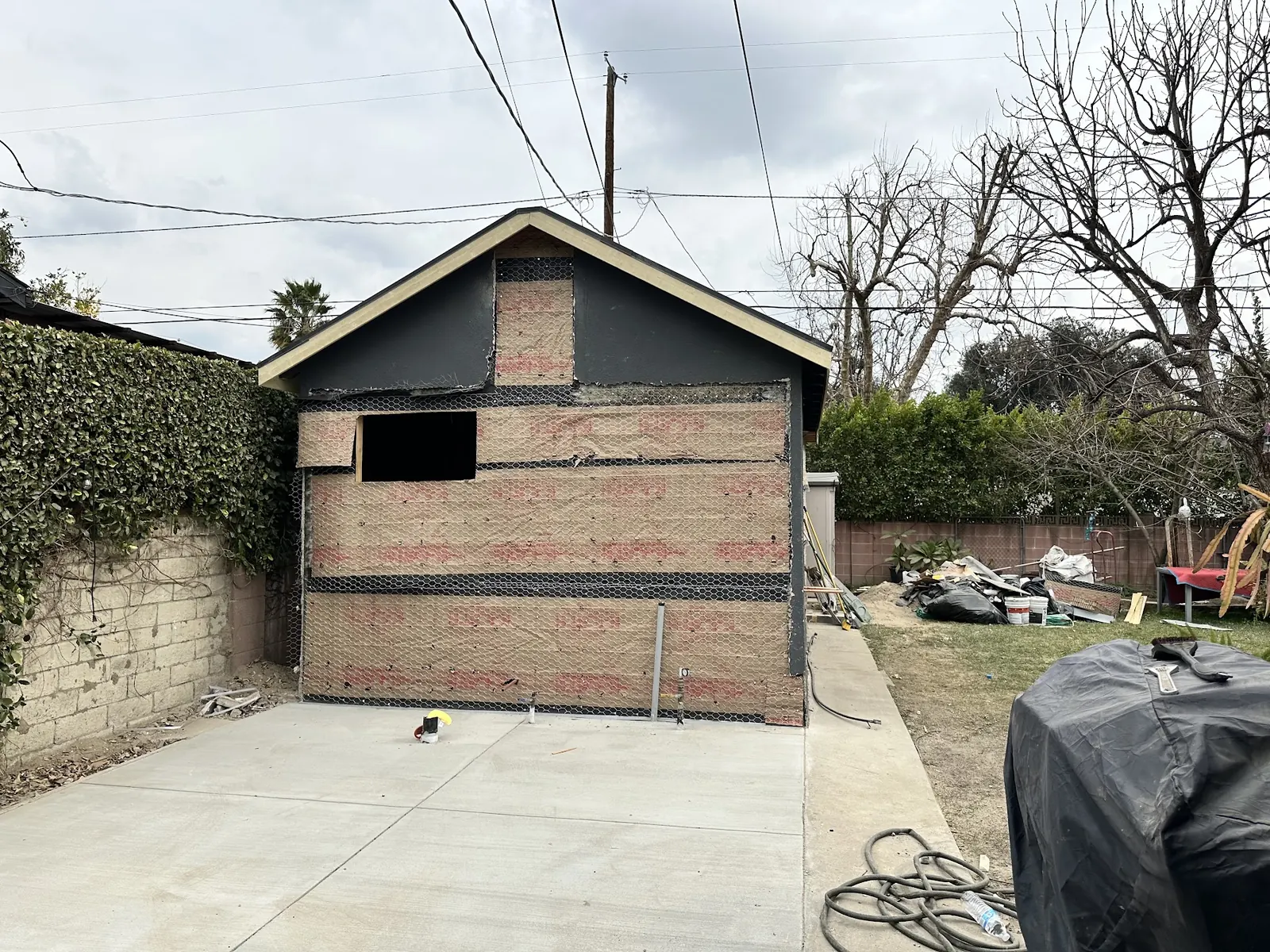
Construction runs from site work and foundation through framing, utilities, insulation and finishes, with city or county inspections at each stage. The unit is ready to occupy once the final inspection is signed off.
Why build an ADU in Malibu
Malibu adds very few homes. Most land is built out, steep, or set aside as parkland and habitat, and apartment buildings are rare. A second unit on a lot you already own is one of the few practical ways to house aging relatives, grown kids, household staff or a year-round tenant without buying another coastal property.
State law gives that unit a ministerial path, which means no public hearing and no discretionary vote on the ADU itself. Malibu still layers its Local Coastal Program review on top, and that is the part we plan around. Owners who start with clear goals and a realistic read of their septic, slope and fire setting tend to get through the process with fewer redesigns.
Every parcel in the City of Malibu sits inside the California Coastal Zone, and the city has a certified Local Coastal Program. The ADU rules live in two places: Municipal Code Chapter 17.44 and Section 3.6(N)(1) of the LCP Local Implementation Plan, which still calls these units second units. In June 2026 the City Council adopted Ordinance No. 535 to update those regulations, so we confirm which provisions apply to your application before drawings are finalized.
Lot type changes the questions. Beachfront parcels on Carbon, Broad and La Costa beaches raise wave uprush, foundation and public access issues. Bluff and hillside lots around Big Rock and Las Flores need geotechnical reports and careful grading. The larger, semi-rural lots in Malibu Park and on Point Dume usually have room for a detached unit but bring longer utility runs and fuel modification zones.
Two checks apply almost everywhere in the city. Most Malibu homes rely on an onsite wastewater treatment system rather than a sewer, and the city's Environmental Health staff review whether that system can take the added flow. Much of the city is also mapped as a Very High Fire Hazard Severity Zone, which drives ignition-resistant construction and Los Angeles County Fire Department review. Topanga, which we also serve, is unincorporated and is permitted by Los Angeles County instead.
We do not publish prices, because two Malibu ADUs with identical floor plans can end up with very different budgets. The foundation is often the biggest swing. A flat pad on Point Dume may take a simple slab, while a canyon lot can need drilled caissons and grade beams, and a beachfront unit may sit on deep piles designed for wave action. Retaining walls and drainage add to hillside budgets quickly.
Septic is the second big variable. If the existing system has spare capacity, the cost is mostly plumbing. If it needs an upgrade or a new advanced treatment system, that becomes its own engineered project with testing and review. Fire-zone construction adds cost through ember-resistant vents, rated roofing and siding, tempered glazing and, where required, fire sprinklers.
Soft costs are higher here than inland. A typical Malibu file can include a survey, geotechnical and possibly coastal engineering reports, a biological review if habitat is nearby, and septic design. Access matters too: steep driveways, narrow canyon roads and staging along Pacific Coast Highway all affect how materials arrive. Finish level, from basic to custom millwork, rounds out the number.
Malibu service areas
We work from Trancas and Broad Beach in the west to Las Flores, Big Rock and La Costa in the east, plus the gated communities of Malibu Colony and Serra Retreat and the open lots of Malibu Park and Point Dume. Topanga, just east of the city line, is covered too, with permits through Los Angeles County rather than the city.
Malibu area
Malibu area
Malibu area
FAQs
Two state deadlines govern the city's side. It has 15 business days to tell you whether the file is complete, then 60 days to approve or deny a complete application for a lot that already has a house. Coastal review, septic approval and geology reports can add time before the file is complete, so preparation is often the longest stage.
No. Under state law an ADU or junior ADU rental must be for a term longer than 30 days, so these units serve long-term tenants, family or staff rather than vacation guests. You can rent the unit without living on the property yourself.
Yes, in practice every ADU in the city is reviewed for Local Coastal Program and Coastal Act compliance, because all of Malibu is in the Coastal Zone. The level of review depends on the site. A beachfront or habitat-adjacent lot needs more analysis than an interior conversion.
It depends on the system's design capacity, age and condition, and on how many bedrooms and fixtures the ADU adds. The city's Environmental Health office checks this. We look at septic records early, because an upgrade can change both the budget and where the ADU can go.
The new unit is assessed and added to your tax bill, but the existing house generally keeps its current assessed value. The added amount is based on the value of the new construction rather than a full reassessment of the property.
State law allows a new ADU with 4-foot side and rear setbacks. In Malibu, coastal rules such as bluff edge setbacks, beach stringlines and habitat buffers can push the unit further from those lines, so the buildable area is often smaller than the state minimum suggests.
The city can ask for no more than one space per unit or per bedroom, whichever is fewer, and a car parked behind another on the driveway satisfies it. Conversions of existing space need no new parking, and garage spaces removed to create an ADU do not have to be replaced.
Often, yes, and planning both at once can share the septic, utility and foundation work. During Malibu's 2026 ADU update the Planning Commission recommended a reduced-setback provision for fire-rebuild ADUs on beachfront parcels, so we check what the adopted rules allow for your lot type before design.
ADU consultation
Tell us about your lot, the existing house and what you want the unit to do. Within 24 hours we reply by phone or email to go over the site and the next steps.