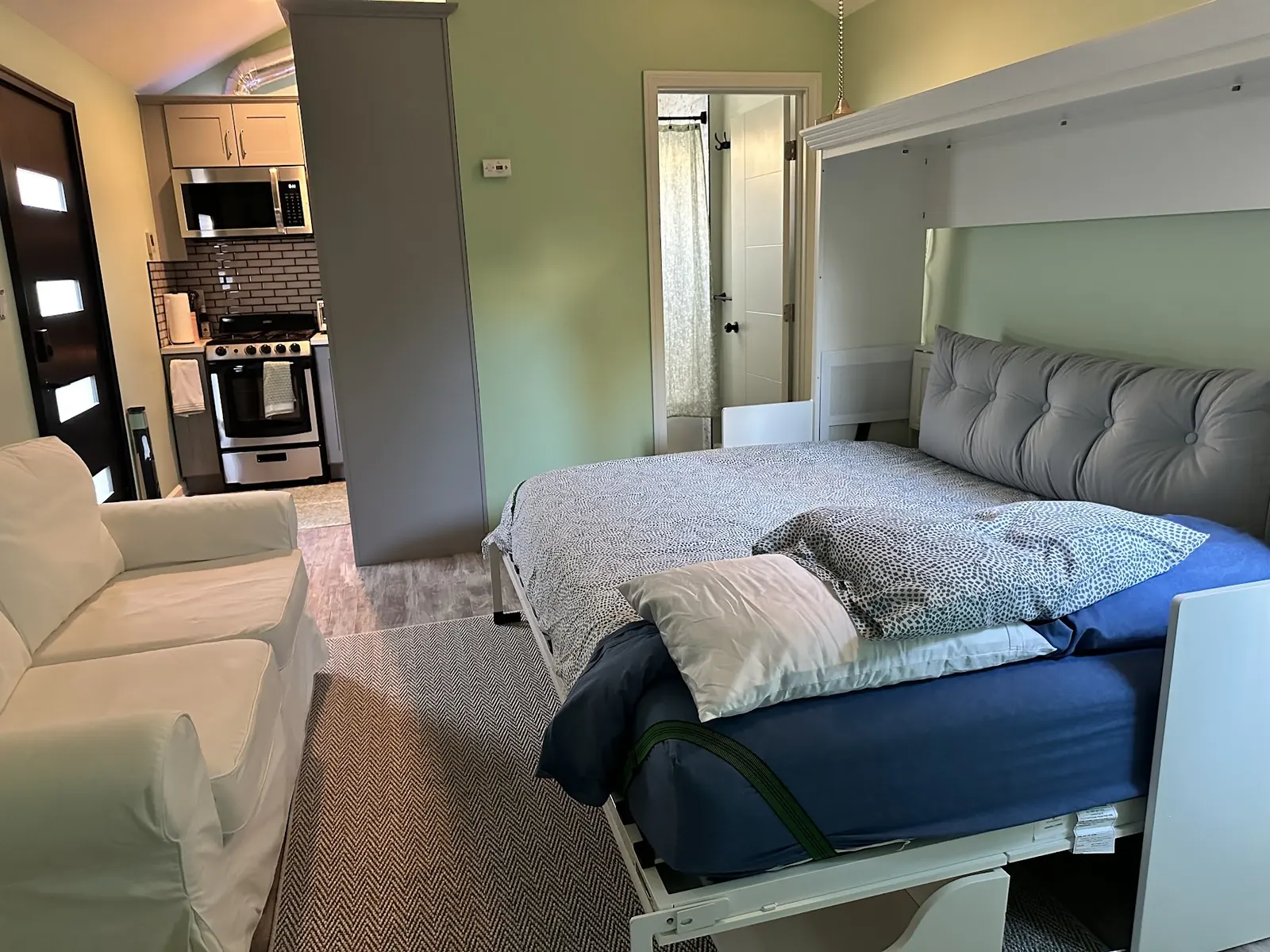
Multifamily ADUs in Malibu
Multifamily ADU Construction in Malibu
Malibu has far fewer apartment buildings than its neighbors, which makes each existing duplex, triplex or small complex more valuable as a source of housing. State law lets those properties add ADUs, and we help owners work out how many units the site can actually support.
Multifamily ADU Options Under California Law
SB 1211 widened the state rules for multifamily lots starting in 2025. Where an apartment building or duplex already stands, the owner may add as many as eight detached ADUs, capped so they never outnumber the existing homes on the lot. A duplex could therefore add two detached units, and a six-unit building up to six.
Owners can also turn spaces nobody lives in, like a storage room, a shared laundry, an old boiler room or a carport bay, into ADUs. The minimum is one such conversion, and the maximum is 25% of the units already on the property. Where the multifamily building is still on the drawing board, the project may include two detached ADUs alongside it.
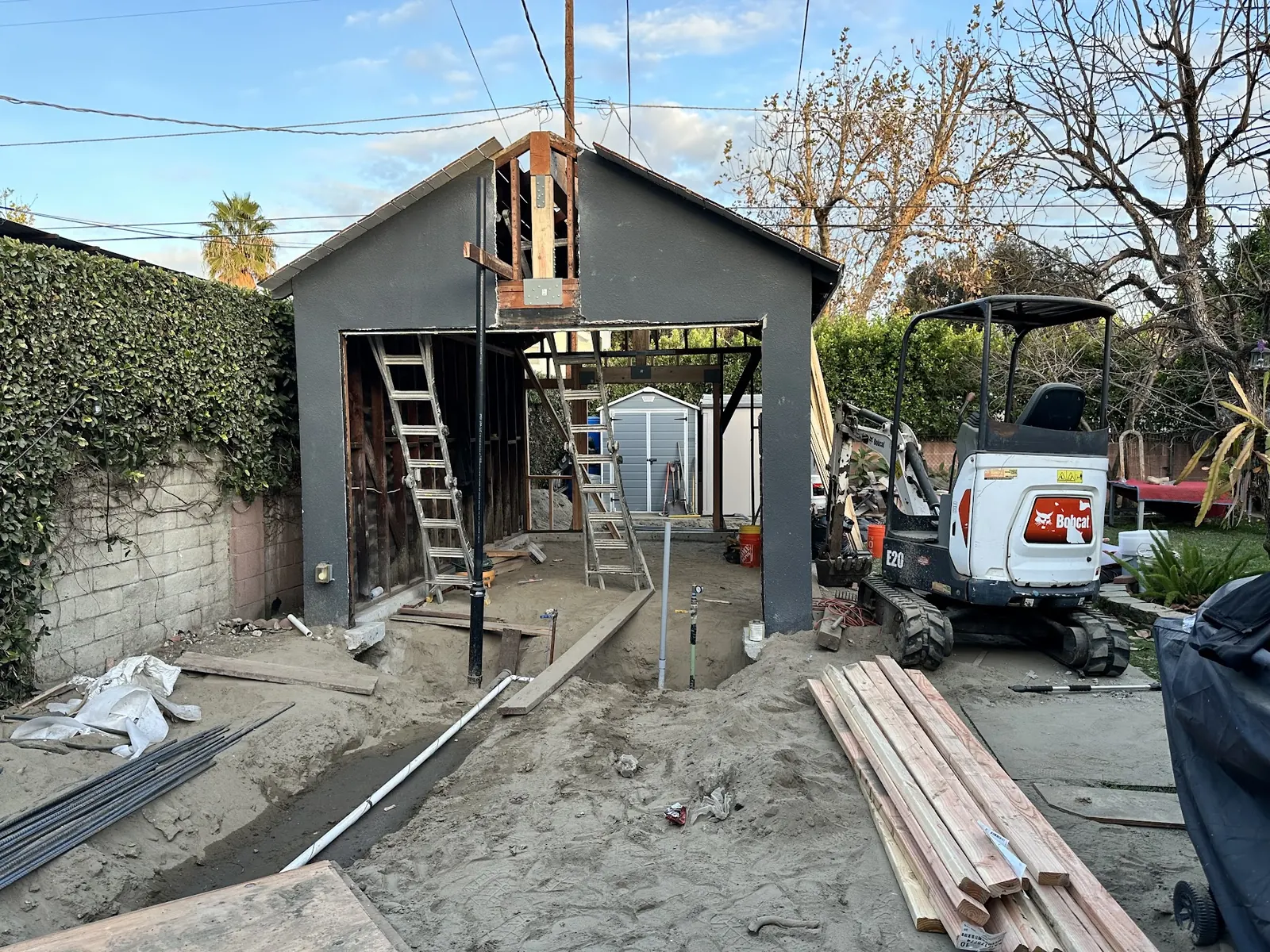
Where Multifamily ADUs Fit in Malibu
Multifamily properties in Malibu cluster in a few places: along stretches of Pacific Coast Highway, around the Civic Center and on some beachfront parcels zoned for more than one unit. Many are older two- to eight-unit buildings with carports, storage rooms or laundry rooms that see little use. Those spaces are often the simplest ADU opportunity, because conversion adds no new footprint.
Detached units are harder on these lots. Older apartment buildings tend to cover much of the parcel, and what open land remains may be needed for the septic system, parking or required open space. On the few multifamily lots with real yard area, a pair of small detached units can work, but the site plan has to prove the septic and fire access before anything else.
Septic Capacity on Malibu Apartment Properties
Wastewater is the main limit on adding units to a Malibu multifamily property. Most of the city has no sewer, so apartments rely on onsite systems that were sized for the original unit count. Each new ADU adds flow, and Environmental Health reviews whether the system can absorb it. Larger systems may also fall under state water quality oversight, which adds its own requirements.
We start every multifamily ADU study with the septic records and, where they are incomplete, an inspection by a qualified septic professional. If the system cannot take more flow, the options are an upgraded or advanced treatment system, fewer units, or smaller units with fewer fixtures. That decision shapes the rest of the project.
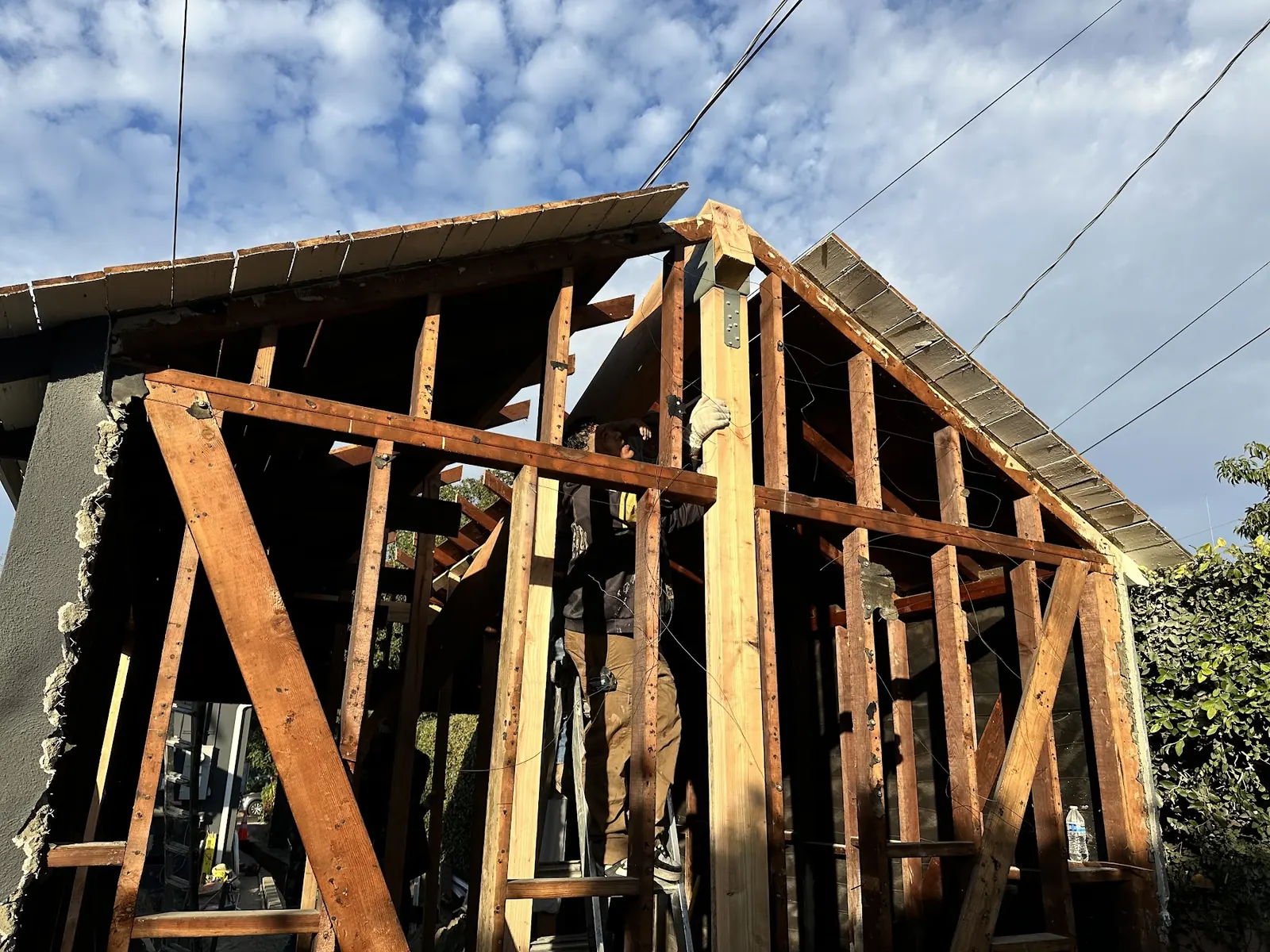
Building ADUs Around Tenants in Place
Most multifamily ADU projects happen while the existing units are occupied. Converting a carport or storage room near tenant entries means planning for noise, dust, temporary loss of parking or storage and short utility shutoffs. We schedule loud work for reasonable hours, keep exit paths clear and give notice before any interruption to water or power.
Fire separation between the new ADU and existing units is a central part of the design, especially in older buildings. Upgrading alarms, rated assemblies and exit routes for the new unit can also improve conditions for the existing tenants.
Sequencing helps. Where a property has both conversions and new detached units planned, we often finish the conversions first so tenants see the disruption end in one part of the site before work begins in another. Permits can be pulled together or in phases depending on financing and how the owner wants to manage vacancies.
What Multifamily ADUs Give a Malibu Property Owner
More Rental Units on an Existing Lot
Adding ADUs to a multifamily property increases the unit count without buying more land, which is rare in Malibu. Each unit must be leased for more than 30 days, serving the long-term rental market.
Multifamily ADU Conversions of Unused Space
Storage rooms, old laundry rooms and carports can become living units with no new footprint. These conversions usually face fewer coastal questions than new buildings on the same parcel.
Ministerial Approval for Multifamily ADUs
ADUs on multifamily lots are reviewed ministerially, without a discretionary hearing. Coastal and septic review still apply in Malibu, but the ADU itself is not subject to a vote.
Upgrades That Help the Whole Building
Work on fire separation, electrical service and septic capacity for new ADUs often modernizes systems that the existing building relies on, which can benefit every unit on the property.
Multifamily ADUs: Build and Finish Photos
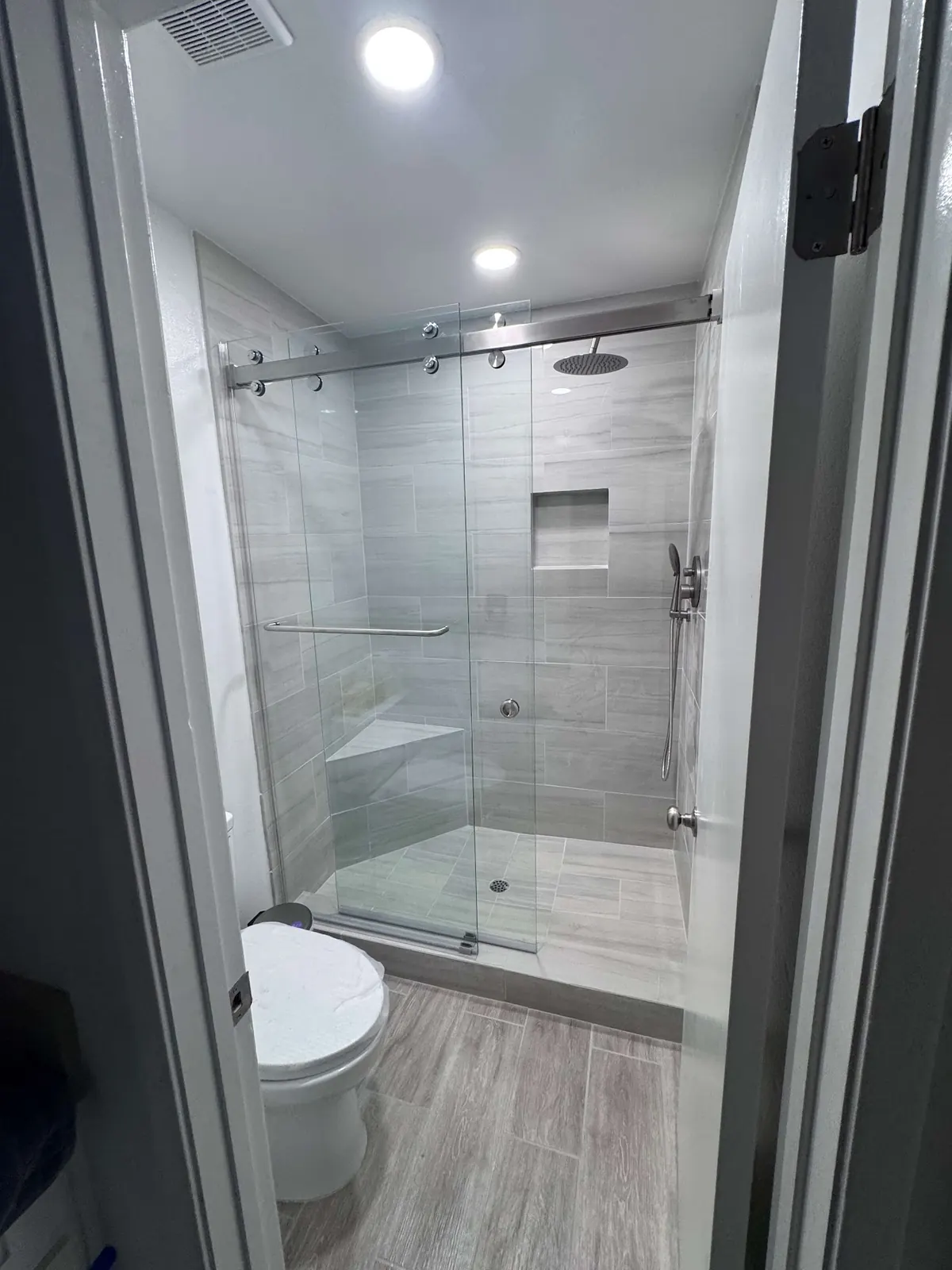
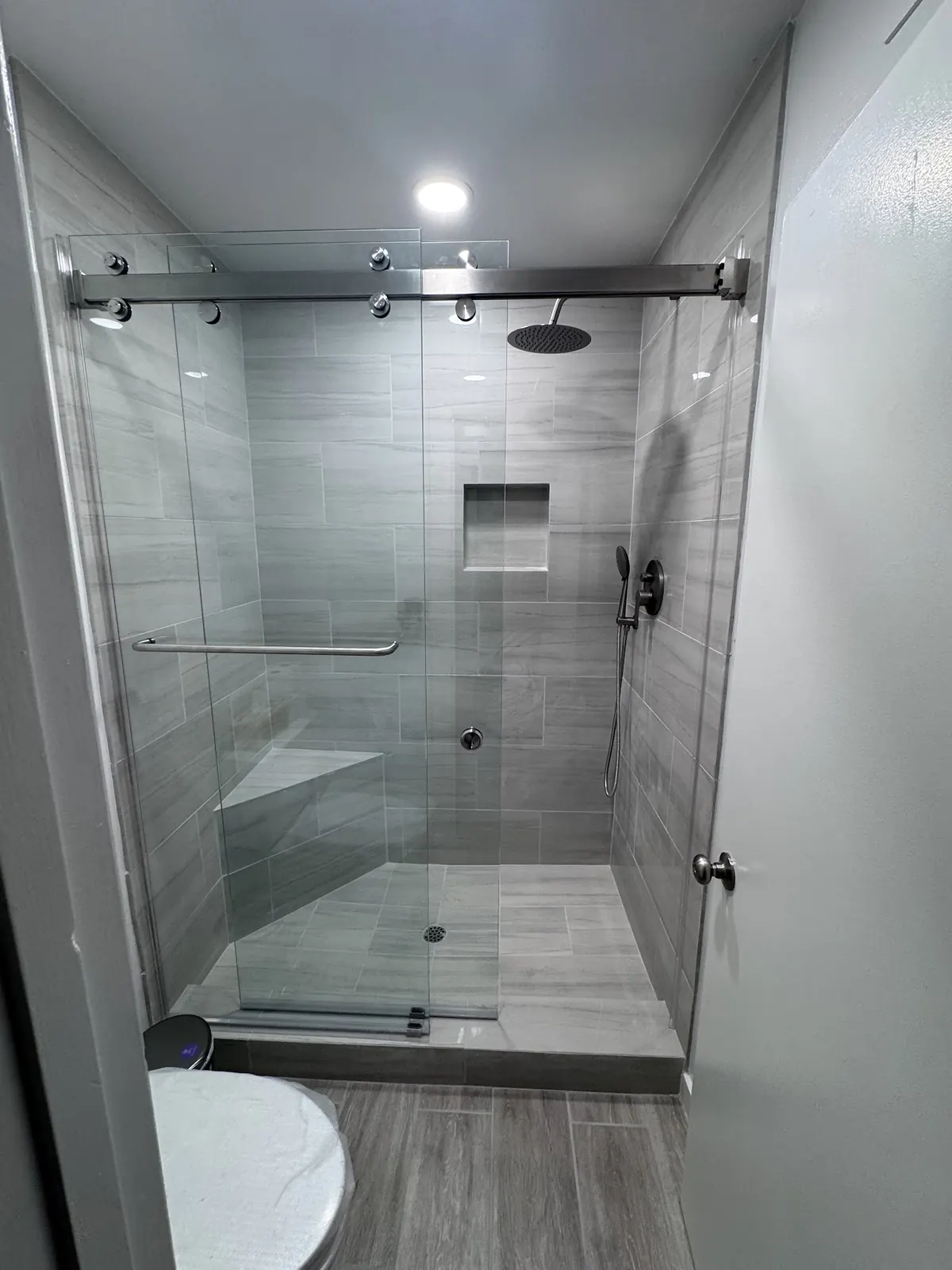
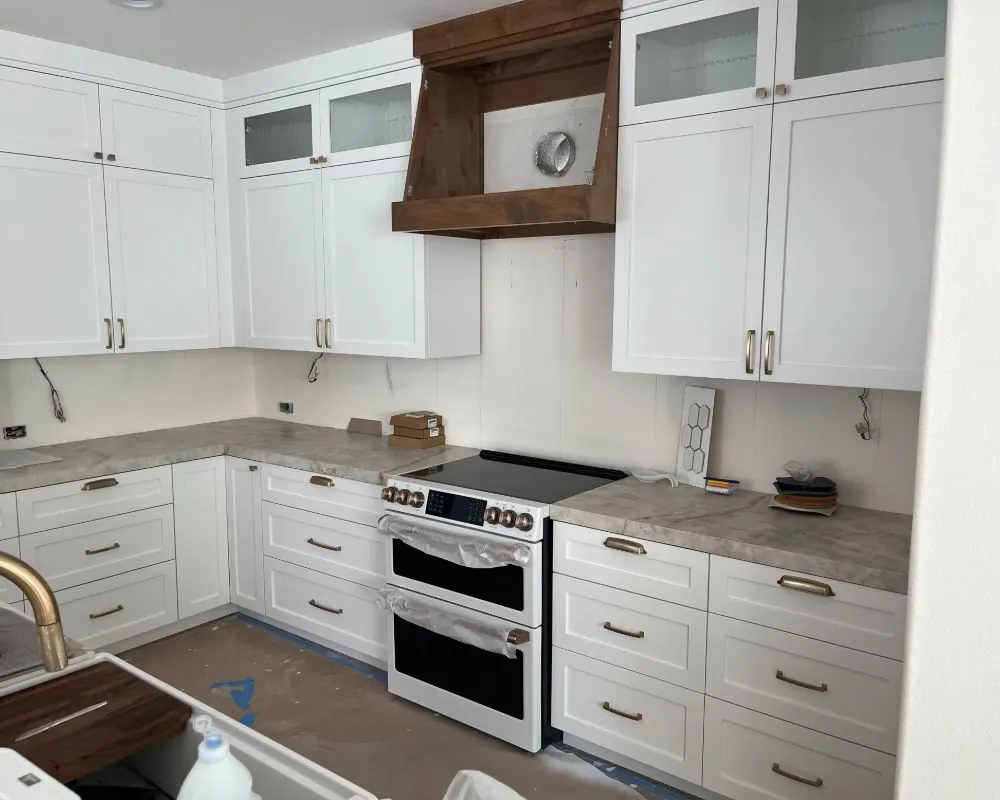
Multifamily ADU Construction Across Malibu
FAQs
Multifamily ADU FAQ for Malibu Owners
How many ADUs could a Malibu duplex add?
Under state law a duplex can add up to two detached ADUs, since the ADUs cannot outnumber the existing units, plus at least one ADU converted from non-livable space. Septic capacity and site constraints may limit the number in practice.
Can I sell a multifamily ADU separately as a condo?
State law leaves that choice to each city or county, and separate sale is possible only after a local ordinance opts in. We check whether that option exists for your property before you plan around it.
Do I need to add parking for multifamily ADUs?
State law limits ADU parking to a single space per unit, or per bedroom when that number is lower. Converted space needs none at all, and if a garage or carport is removed to make room for an ADU, the lost spaces do not have to be rebuilt.
What drives the cost of multifamily ADUs in Malibu?
Septic upgrades, fire separation in older buildings, electrical service capacity, the number of units and whether they are conversions or new detached buildings. Working around occupied units also adds time.
ADU consultation
Add ADUs to a Malibu Multifamily Property
Tell us how many units the building has, what spaces are underused and what you know about the septic system. A reply by phone or email follows within 24 hours.
- Design
- Permits
- Construction